- The Education Catalyst
- Posts
- Real-World Summer: Learning Outside the Classroom
Real-World Summer: Learning Outside the Classroom
"We only have so many summers with our children—let’s make them count."

Lyndsay LaBrier
May 25, 2025
Why It Matters
Summer doesn’t have to mean a learning pause. While school may be out, our kids’ brains are still growing—and real-world life skills, family connection, and hands-on experiences are some of the most powerful lessons we can give them. Research shows that students benefit from continued learning through meaningful and practical tasks that connect school to life (National Summer Learning Association, 2023). Instead of worksheets or online programs, we encourage families to lean into summer as a time to build confidence, relationships, and lifelong competencies.
Real-World Learning by Age Group
Elementary (Grades K–5):
Build routines, responsibility, and early independence through playful learning.
Chores like sorting laundry, setting the table, and watering plants
Shopping practice: writing a grocery list, counting money, comparing prices
Write letters to family in cursive or print
Run a lemonade stand or bake sale
Board games for patience, turn-taking, and math skills
Nature walks with a journal to observe and label
Create a summer reading challenge
Middle School (Grades 6–8):
Encourage initiative, problem-solving, and social development.
Plan and cook one meal per week
Budget allowance or chore earnings
Pet-sitting, lawn mowing, or offering to help neighbors
Launch a small craft or service business
Volunteer at a local library, animal shelter, or pantry
Join a summer book club
Build something: woodworking, up-cycled fashion, or home repair
High School (Grades 9–12):
Help teens prepare for real-life transitions.
Get a part-time job and learn workplace etiquette
Open a bank account and manage a budget
Research post-grad options: college, trade school, military, or self-employment
Volunteer in a field of interest
Write a resume and practice interviews
Explore entrepreneurship with a side hustle
Attend a town hall meeting or write to a local representative
The Family Connection
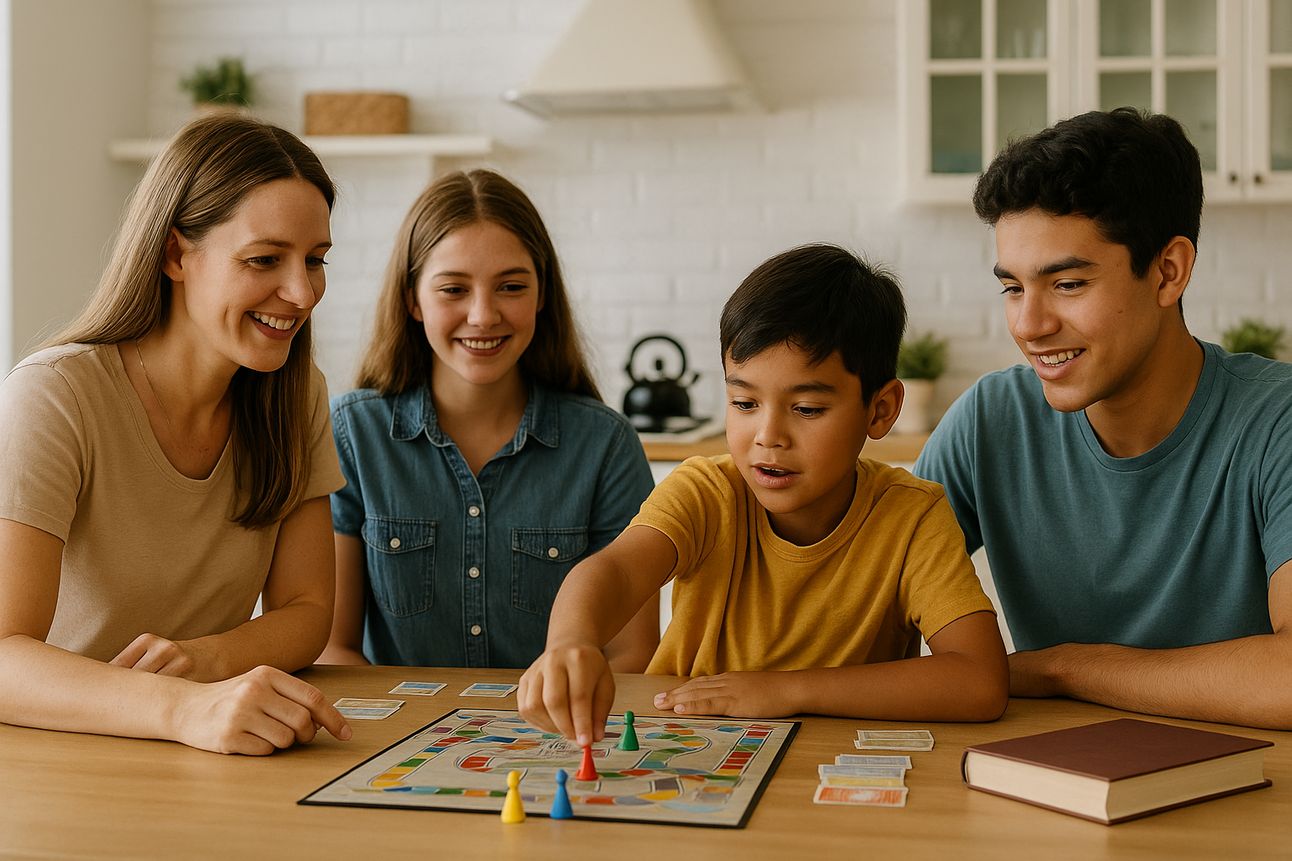
Some of the most important learning comes from shared time. Summer is a golden opportunity to invest in your child’s social-emotional development through meaningful family rituals (Center on the Developing Child, 2021).
Here are a few simple ways to connect while learning together:
Play board games or complete a puzzle
Read a book aloud and discuss it
Cook or bake a new recipe together
Take walks and talk about your day
Camp in the backyard or visit a state park
Visit museums or historical landmarks
Start a weekly "screen-free" evening for intentional connection
Looking for practical tools to support the roll-out — and more?
Visit our Payhip store for downloadable resources created to support educators, school leaders, and families across the country. Whether you're implementing a new phone policy, planning IEP meetings, or resetting school culture, we've got you covered.
Available Now on Payhip:
The IEP Meeting Prep Pack (For Parents)
Tools to help families feel confident, organized, and empowered at IEP meetings.504 Plan Parent Starter Kit
Practical templates and guidance for understanding, organizing, and advocating for 504 services.Progress Monitoring Parent Tracker
A printable and fillable toolkit to help track IEP goals, communication logs, and school supports.Understanding Your Rights Mini Guide (Special Education)
A parent-friendly overview of FAPE, LRE, Prior Written Notice, and key procedural safeguards.The Educator’s Guide to IEP Goals (eBook + Templates)
A comprehensive guide for writing academic and executive functioning IEP goals aligned to standards.First-Year Special Ed Teacher Starter Toolkit
Templates, checklists, and planning tools for new special education teachers.Re-balancing Ed-Tech in the Classroom (Admin PD Course)
A school leader’s guide to restoring instructional time, supporting staff, and implementing tech boundaries with intention.
Coming Soon:
36 Week Elementary Life Skill and Executive Functioning Warm Up (eBook)
Designed to equip young learners with foundational social, emotional, and real-world skills that matter now and in the future.Children thrive on structure, clear expectations, and a sense of purpose. This curriculum was created to help educators, parents, and school leaders nurture these qualities through consistent daily warm-ups, reflection prompts, and real-life application activities. The content is scaffolded by grade level (K–5) to meet students where they are and help them grow with confidence.
Each week is organized around a life-relevant theme—like routines, self-awareness, organization, and teamwork—that students explore through short, engaging activities. These themes are connected directly to both school success and future success in the workplace and beyond.
From special education advocacy to instructional redesign, all our tools are built to bring clarity, equity, and real-world solutions to today's classrooms and families around the country.
Final Thought
We only get so many summers with our children. These weeks offer more than just a break—they offer a window into who our children are becoming. By focusing on real-world learning, connection, and purpose, we can give them the tools to thrive now and in the future.
Learning never stops—and neither does the opportunity to grow together.
In solidarity,
The Merchant Ship Collective – Education Catalyst Team
References
Center on the Developing Child. (2021). Brain architecture. Harvard University. https://developingchild.harvard.edu/science/key-concepts/brain-architecture/
National Summer Learning Association. (2023). The value of summer learning. https://www.summerlearning.org/resources/research/
Reply